__largepreview__.webp)
Pastor Kyle Sadler Installation Service
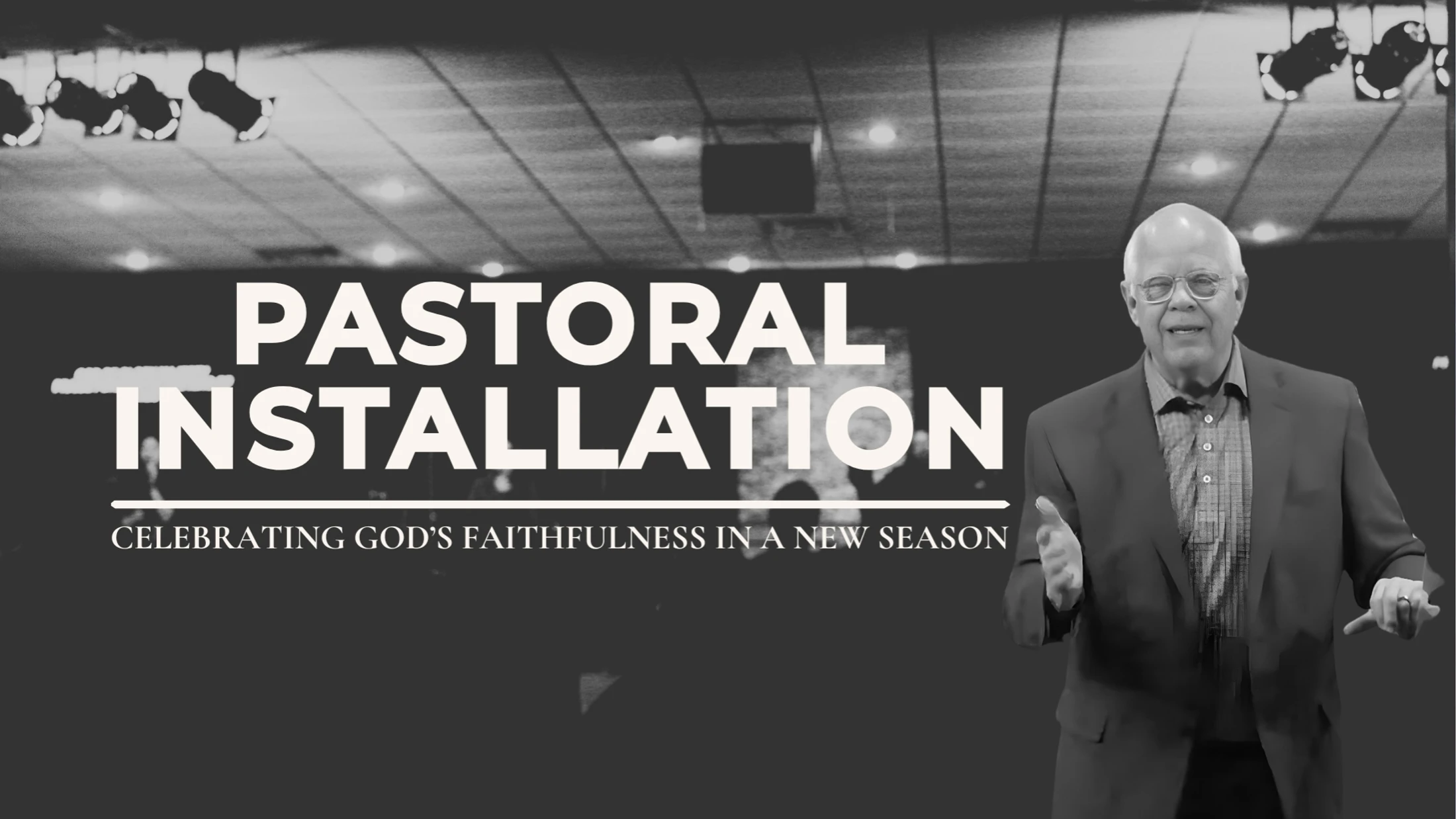
How to Relate to the Gift of a Pastor: Building Strong Church Relationships
In the life of every church, pastoral transitions mark significant moments of growth and change. Understanding how to properly relate to pastoral leadership isn't just beneficial—it's essential for a thriving church community. The Bible provides clear guidance on how God has structured His church and the gifts He has given to strengthen it.
What Are the Five Ministry Gifts?
According to Ephesians 4:11-12, God has given the church five distinct ministry gifts: "'Now these are the gifts Christ gave to the church: the apostles, the prophets, the evangelists, and the pastors and teachers. Their responsibility is to equip God's people to do his work and build up the church, the body of Christ'" (Ephesians 4:11-12 NLT).
These aren't just roles or positions—they are gifts from God to His people. Just as we treasure gifts from loved ones, we should treasure these ministry gifts that God has placed in the church.
Understanding Each Ministry Gift
Apostolic ministry involves taking the gospel where it hasn't gone before, often through missionary work and church planting. Prophetic ministry includes both forthtelling (speaking God's will for the present) and foretelling (revealing God's future plans). Evangelistic ministry focuses on constantly presenting the message of salvation, with a true passion for reaching lost people. Pastoral ministry involves shepherding God's people, providing care and protection. Teaching ministry systematically teaches sound doctrine to equip and strengthen believers.
Why Do We Need Pastors?
Jesus referred to Himself as the Good Shepherd in John 10:11 and 14. A good shepherd provides care and protection, gathers lost sheep, and gives his life for the sheep. The sheep know the voice of the shepherd, and no one can snatch them from his hand.
Pastors serve as under-shepherds, caring for God's flock in His name. They are gifts from God to help equip the saints for ministry and build up the body of Christ.
How Should We Relate to Our Pastor?
Building a healthy relationship with pastoral leadership requires intentional effort from the entire congregation. Here are seven practical ways to relate to the gift of a pastor:
1. Prayer - The Foundation of Support
Every day, pray for your pastor and their family. Also pray for your entire church body. A church needs to be more prayer-conditioned than air-conditioned. When you don't pray for your pastor, it gives the enemy opportunity to create problems. Put a prayer covering over your pastoral leadership.
2. Gather - Show Up Consistently
The early church gathered for worship on the first day of the week. There's no better way to start your week than being in God's house. While fishing, camping, hunting, and ball games have their place, Sunday is God's day. Stop making excuses and prioritize gathering with fellow believers.
3. Support - Give Faithfully
Faithfully support your church by bringing tithes and offerings. Test God in this area—when you give Him the first 10% and go beyond that with offerings, you'll find you can live better on 90% than when you tried to keep the whole 100%. Generous giving makes you a kingdom builder.
4. Engage - Embrace the Vision
God gives vision to pastoral leadership. When your pastor shares God's vision for the church, respond like Jonathan's armor bearer who said, "Whatever you want to do, I am with you, heart and soul" (1 Samuel 14:7). Don't wait for committees to decide the vision—support what God gives to your leadership.
5. Serve - Find Your Place
Identify your spiritual gifts and step forward to serve. Don't wait for the pastor to ask you. Get plugged into a life group, ministry team, or service opportunity. God has a place for everyone, and He wants to use you.
6. Encourage - Speak Life
Verbally encourage your pastor and their family whenever you see them. Don't just come with problems—offer words of encouragement. Remember important dates like birthdays and anniversaries. Make sure your pastor takes weekly Sabbaths, family vacations, and periodic sabbaticals.
7. Defend - Protect Their Character
Defend your pastor's character before others who seek to tear it down. When someone comes to you with complaints or gossip, say you're going to call the pastor right now to get things settled. Don't listen to negative reports from gossipers. Follow Matthew 18—if you have an issue, go directly to the person involved.
What About Grace and Imperfection?
Give grace for your pastor's and fellow church members' imperfections. You'll never find the perfect church or the perfect preacher. We all have shortcomings and need to extend grace to one another. Focus on what matters most and let minor issues go.
Why Does This Matter for Church Growth?
When a church properly relates to pastoral leadership, amazing things happen. Churches grow not just in numbers but in spiritual maturity. People get saved, baptized in the Holy Spirit, receive healing, and discover their purpose. The church becomes a mighty lighthouse in the community.
Healthy pastoral relationships create an environment where God can work powerfully. When the congregation supports, encourages, and follows godly leadership, the church becomes equipped to fulfill the Great Commission effectively.
Life Application
This week, choose one of the seven ways to relate to pastoral leadership and put it into practice. Whether it's committing to daily prayer for your pastor, finding a place to serve, or speaking an encouraging word, take action to strengthen your church through better pastoral relationships.
Ask yourself these questions: Am I praying daily for my pastoral leadership? Do I consistently gather with my church family for worship? Am I faithfully supporting the church financially? How can I better engage with the vision God has given our leadership? Where can I serve using my gifts? When did I last encourage my pastor? Am I defending my church's reputation in the community?
Remember, your pastor is a gift from God to your church. How you relate to that gift affects not only your own spiritual growth but the health and effectiveness of your entire church family. Choose to be someone who treasures and properly cares for the gifts God has given.