__largepreview__.webp)
Recognize The Threat
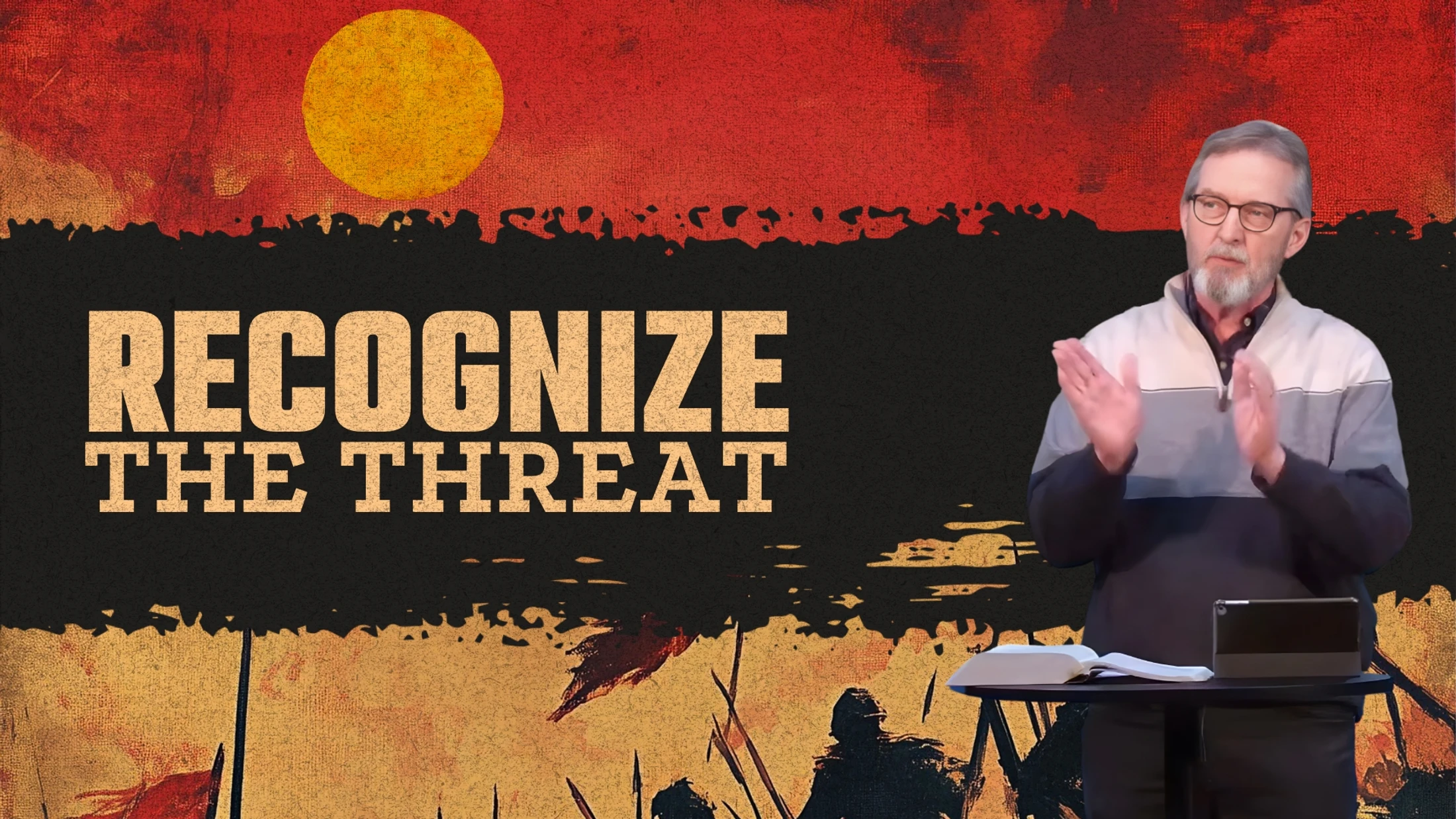
Defending the Faith: Recognizing Spiritual Threats in the Church
The letter of Jude, tucked away near the end of the New Testament, is often overlooked because it's difficult to understand and contains some strange content. Yet this small letter carries a crucial message for believers today. Written by Jude, the half-brother of Jesus, just 25-30 years after Christ's resurrection, it addresses threats to the faith that were already emerging in the early church.
Why Did Jude Write This Letter?
Jude originally planned to write an encouraging letter about salvation, but the Holy Spirit redirected him to address a more urgent matter. False teachers had infiltrated the church, and the very foundation of Christian faith was under attack. This wasn't a distant future problem - it was happening in the church's infancy.
Who Was Jude?
Jude identifies himself as "a slave of Jesus Christ and a brother of James." This James was the primary leader of the early church in Jerusalem. Both Jude and James were half-brothers of Jesus who initially didn't believe in Him during His earthly ministry. It wasn't until after the resurrection that they became followers - a powerful testimony to the reality of Christ's victory over death.
What Does It Mean to "Defend the Faith"?
The central message of Jude's letter is clear: defend the faith with your life - meaning your lifestyle. This isn't necessarily about physical martyrdom, but about living in a way that protects and preserves the truth of the Gospel.
The word Jude uses indicates struggle, suffering, and fighting - not physical combat, but wrestling to maintain biblical truth even when it's costly. We must apply effort to defending God's Word, regardless of the personal price.
Four Critical Warnings from Jude
Warning #1: False Teachers Promote Immoral Freedom
Jude warns that ungodly people have infiltrated churches, teaching that God's grace allows complete freedom to live immorally. This false teaching, known as antinomianism (lawlessness), suggests you can do whatever you want and simply ask for forgiveness later.
This dangerous doctrine says:
- Give in to any temptation
- Live however you want
- God's grace will cover everything
- Everyone will eventually be saved (universalism)
The truth is: While God's grace is amazing, the Holy Spirit is powerful enough to deliver us from sin, not just forgive us. We can't keep sinning deliberately while claiming grace covers it all.
Warning #2: We Must Stay Faithful After Beginning to Believe
Jude provides three sobering examples of those who started well but didn't finish faithfully:
- The Israelites - Rescued from Egypt by Jesus (Old Testament appearances), but destroyed for unfaithfulness
- Fallen Angels - Once served God but rebelled and lost their place in heaven
- Sodom and Gomorrah - Destroyed for sexual immorality and perversion
The message is clear: salvation requires ongoing faithfulness, not just a one-time decision.
Warning #3: These Examples Are Warnings for Us Today
False teachers claim authority from dreams and visions beyond Scripture, live immoral lives, defy authority, and mock supernatural things they don't understand. Even the archangel Michael showed respect when rebuking Satan, yet these teachers show no such reverence.
Jude compares them to three biblical villains:
- Cain - The first murderer who killed his brother
- Balaam - Who led Israel into sexual sin for money
- Korah - Who organized rebellion against God's authority
Warning #4: Don't Let Skeptics Lead You Astray
Some people reject faith simply because they can't understand everything supernatural about it. They become crusaders against what they can't explain, leading others away from truth.
Just because we don't understand everything doesn't mean we should doubt everything. Our faith is supernatural by nature - from salvation to holy living, it all requires God's power.
How Do We Recognize These Threats Today?
These warnings aren't just about obvious false teachers. We must examine our own hearts:
- Have you begun believing grace allows you to live any way you want?
- Are you as close to Jesus today as you've ever been, or have you slid back?
- Do these warnings convict you of specific areas in your life?
- Has doubt crept in because you don't understand everything?
The Supernatural Power Available to Us
The good news is that the Holy Spirit is powerful enough to help us live above sin and temptation. We don't have to give in to every urge or justify ongoing sin with cheap grace. God's power enables supernatural living - not just miraculous signs, but holy lifestyles that demonstrate His transforming work.
Why This Matters for Our Witness
If we claim to follow Jesus but live no differently than the world, why would anyone want our faith? Our lives should demonstrate the reality and power of the Gospel. When we live by the Spirit's power, we defend the faith through our lifestyle.
Life Application
This week, honestly evaluate your spiritual life against Jude's warnings. Are there areas where you've been justifying sin with grace? Have you drifted from your first love for Jesus? Are doubts undermining your faith?
The Holy Spirit wants to do something powerful in and through the church today. But we must make room for Him to work by surrendering completely to His will and power.
Questions for reflection:
- In what areas of your life have you been relying on grace to cover ongoing sin rather than seeking the Spirit's power to overcome it?
- Are you closer to Jesus today than you were a year ago, or have you been sliding backward in your faith?
- What specific step will you take this week to defend the faith through your lifestyle choices?
- How can you make more room for the Holy Spirit to work in your life and church community?