__largepreview__.webp)
The Shepherd Who Comes After You
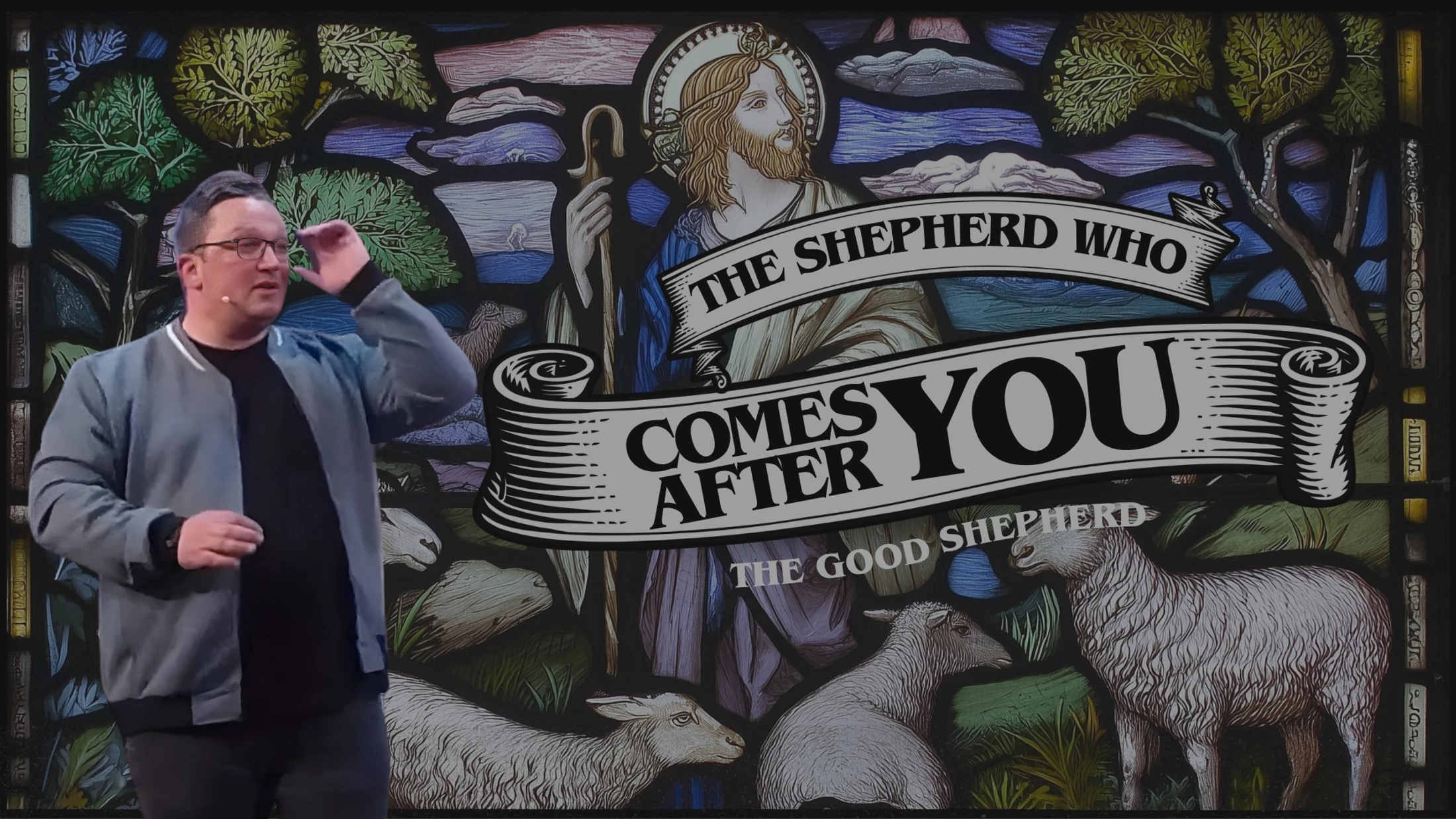
When You Feel Scattered: Finding Hope in God's Faithful Shepherding
Have you ever felt completely scattered? Not necessarily in a rebellious or dramatic way, but just pulled in a thousand different directions? Maybe you're juggling little kids, work demands, and endless responsibilities. Perhaps pieces of your heart feel spread out everywhere, and you're not sure how to pull it all together. You might be physically present but spiritually distant, sitting in church while feeling miles away from God.
What Does It Mean to Feel Scattered?
Feeling scattered isn't always about living a wild, rebellious life. Sometimes it's simply the result of carrying too much at once. You might be trying to be present while worrying about yesterday's mistakes or tomorrow's challenges. Part of you focuses on what needs to be done while another part processes unhealed hurts.
When we feel scattered, our natural response is often to try managing the problem ourselves. We attempt to control and organize everything, telling ourselves we're fine when we're clearly not. We learn to function while wounded, hide our weakness, and look put together on the outside while falling apart internally.
Can You Be in Church and Still Feel Spiritually Scattered?
Absolutely. You can be worshiping and still feel numb. You can be serving and still feel tired, even though serving God should energize us. You can be surrounded by people and still feel unseen and invisible. You might know all the right Bible answers but wonder where God is in your actual experience.
This disconnect between physical presence and spiritual connection is more common than we think. The danger isn't being scattered – it's learning to live scattered and calling it normal.
What Does Jesus Say About True Leadership?
Before examining failed leadership, it's important to understand what Jesus taught about being a true shepherd and leader. In Matthew 20:25-28, Jesus said:
"'But Jesus called them together and said, "You know that the rulers in this world lord it over their people, and officials flaunt their authority over those under them. But among you it will be different. Whoever wants to be a leader among you must be your servant, and whoever wants to be first among you must become your slave. For even the Son of Man came not to be served but to serve others and to give his life as a ransom for many."'" - Matthew 20:25-28 (NLT)
Real leadership is about serving people, laying down your preferences, and reflecting God's heart as the true shepherd.
How Does God Respond to Failed Leadership?
In Ezekiel 34, we see God's response when leaders fail His people. These shepherds were supposed to protect the flock, strengthen the weak, heal the sick, bind up the wounded, bring back the strays, and search for the lost. Instead, they used the sheep for their own benefit.
God's response isn't passive disappointment – He's actively against spiritual abuse and neglect. But rather than simply replacing the failed system with better human leaders, God does something radical: He steps in Himself.
The Shepherd Searches for the Scattered
"'For this is what the Sovereign Lord says: I myself will search and find my sheep. I will be like a shepherd looking for his scattered flock. I will find my sheep and rescue them from all the places where they were scattered on that dark and cloudy day.'" - Ezekiel 34:11-12 (NLT)
When God says "I myself," He's making this rescue personal. He doesn't just call scattered sheep home – He actively goes after them. This passage reveals God's heart through action words: He searches, rescues, gathers, feeds, gives rest, heals, and strengthens.
God promises to go everywhere His sheep have been scattered. There's no valley too low, no mountain too far, no wound too deep for God to reach and heal. His care extends to every possible place of scattering.
Does God Protect the Wounded from Further Harm?
Yes, and this protection extends beyond confronting bad leaders. In Ezekiel 34:17-22, God also addresses harmful behavior within the flock itself. Sometimes hurt people hurt other people, and God sees this too.
"'And as for you, my flock, this is what the Sovereign Lord says to his people: I will judge between one animal of the flock and another, separating the sheep from the goats. Isn't it enough for you to keep the best of the pastures for yourselves? Must you also trample down the rest?'" - Ezekiel 34:17-18 (NLT)
God confronts both failed shepherds and harmful sheep. A healthy flock requires healthy relationships at every level. This challenges us to examine how we use whatever strength we have – are we serving ourselves or helping others?
Who Is the Ultimate Answer to Scattered Sheep?
God's final answer isn't a new system or better human leaders. It's a promised Shepherd King – Jesus Christ. In Ezekiel 34:23-24, written centuries before Jesus' birth, God promises:
"'I will place over them one shepherd, my servant David, and he will tend them; he will tend them and be their shepherd. I the Lord will be their God, and my servant David will be prince among them. I the Lord have spoken.'" - Ezekiel 34:23-24 (NLT)
This is a messianic prophecy pointing to Jesus, who would come from David's lineage. Jesus perfectly accomplishes what Israel's shepherds failed to do. He rescues sheep who cannot rescue themselves through divine intervention, not human improvement.
How Does This Apply to Our Mission Today?
Jesus' clear mission was to seek and save the lost, and now that becomes our mission as His followers. We become under-shepherds of the Good Shepherd. This raises an important question: When was the last time you helped someone come to Christ? When will the next time be?
This doesn't mean you need to be an aggressive evangelist. Work within your personality and spiritual gifts. But we're all called to bring people closer to Christ wherever we are. Share your real struggles and how Jesus meets you in them, rather than presenting a perfect facade.
Can God Use People Who Have Failed?
Absolutely. In John 21:15-17, after Jesus' resurrection, He reinstates Peter – the same Peter who had denied knowing Jesus three times. Jesus asks Peter three times if he loves Him, and each time gives him a commission: "Feed my lambs," "Shepherd my sheep," "Feed my sheep."
This shows that wherever your life has brought you, no matter how you've messed up, when you come back to Jesus in repentance, He not only restores relationship but also trusts you with ministry. You're not called just to sit – you're called to help others.
Life Application
This week, instead of trying to manage your scattered feelings alone, intentionally slow down and let God shepherd you. Stop hiding behind the facade that everything is fine when it's not. Be honest about where you're struggling and actively surrender those areas to Jesus.
Additionally, examine how you're using whatever strength you have. Are you serving yourself or helping others? Look for one person in your life who needs to hear about Jesus' love, and share your real story – including your struggles and how God meets you in them.
Ask yourself these questions:
- Where am I trying to control and manage problems instead of letting God shepherd me?
- How am I using my spiritual strength – to serve myself or help others?
- Who in my life needs to hear about Jesus, and when will I share my real story with them?
- What areas of my life am I still hiding from God instead of surrendering to Him?
Remember: God is actively searching for you right now, wanting to heal your wounds, strengthen your weakness, and use your life to help others find their way home to Him.