__largepreview__.webp)
Who is the main character?
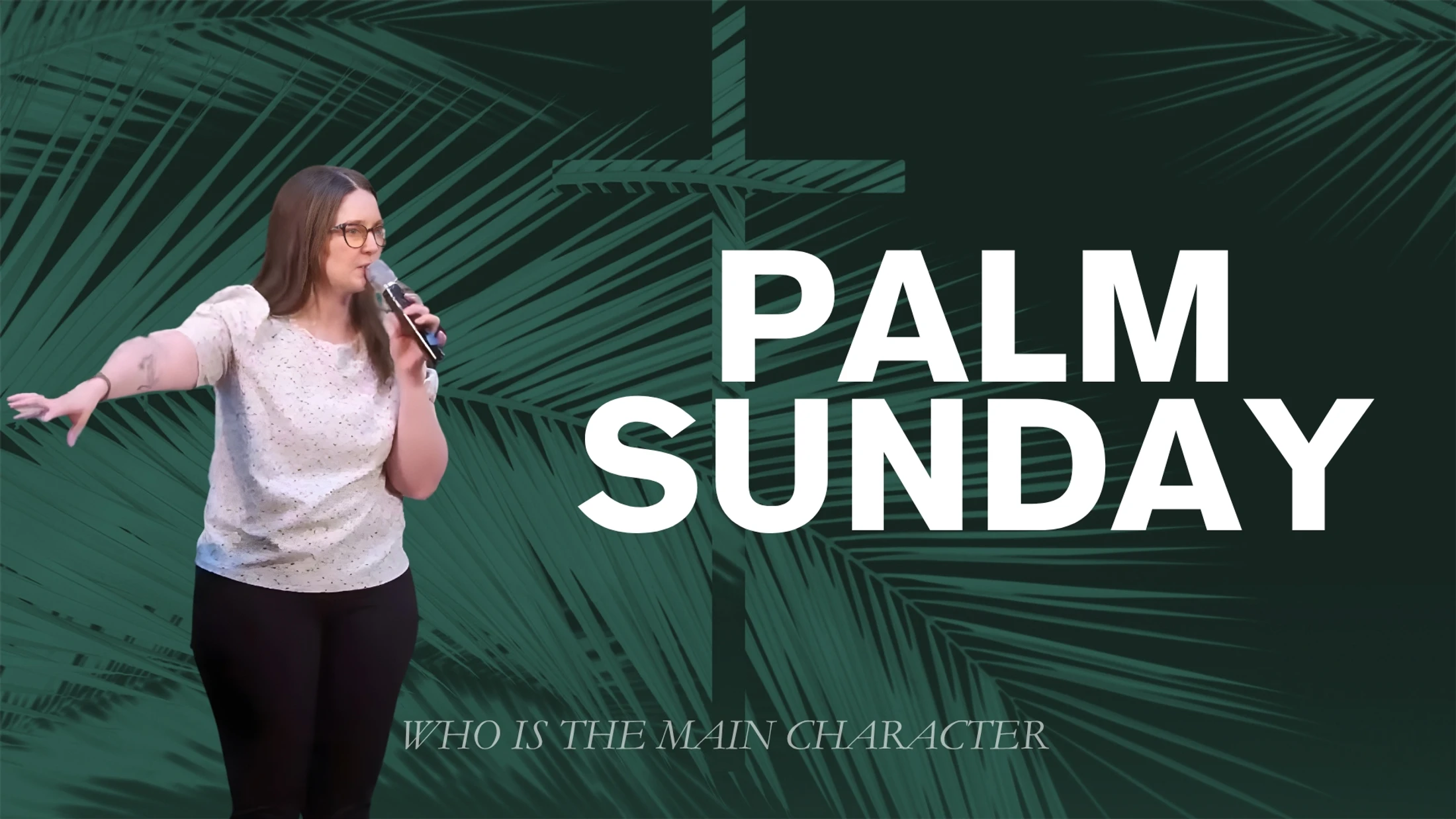
When You're the Main Character, You Miss the Real King
In our culture of "main character energy," we're constantly told to be the star of our own story. But what happens when this mindset collides with the reality of who Jesus truly is? Palm Sunday offers us a powerful lesson about recognizing the real King when our expectations don't align with His kingdom.
What Is Main Character Energy?
Main character energy is that feeling when the world seems to revolve around you - like you're living in a movie where you're the star. While some aspects of this mindset can promote confidence and self-worth, it becomes problematic when we apply it to our relationship with God.
The truth is, in the grand story of existence, God is the main character. He conceived the idea for us and structured this entire narrative where He has been from the beginning. We can't change that He is the main character - He just is. But we can choose whether to live as if we are the main character or recognize His rightful place on the throne of our lives.
Palm Sunday: Needs Versus Wants
When Jesus entered Jerusalem on Palm Sunday, the crowds were expecting something they desperately wanted - a political Messiah who would overthrow Roman oppression. They had been heavily taxed, imprisoned for debt, and lived under the constant threat of crucifixion for speaking against the government.
The palm branches they waved weren't just celebratory decorations. These branches symbolized kingship and sovereignty, representing the hope for a wartime king who would defeat their oppressors and cleanse the temple, just as their ancestors had done generations before.
But Jesus knew what they needed versus what they wanted. Sometimes our prayers go unanswered because we're asking for what we want rather than what we actually need. We may be praying against God's plan, purpose, timing, or character without realizing it.
Spiritual Versus Material Expectations
When the crowds shouted "Hosanna," they were crying "save us now" - but they were asking for salvation from government oppression, not salvation from sin and death. They were quoting Psalm 118, which speaks of physical deliverance and worldly success.
The people expected earthly, worldly solutions to their current problems. But Jesus didn't come primarily for material restoration. While some relief from physical problems may result from His kingdom being established, His primary mission was spiritual restoration.
This is where we often misunderstand Jesus today. We want Him to fix our circumstances, heal our bodies, and solve our earthly problems. While He cares about these things, His primary concern is establishing His kingdom in our hearts and lives.
Kingdom Versus Control
Perhaps the most significant misunderstanding about Palm Sunday is what Jesus was actually doing. He didn't come to campaign for kingship - He was already King. He came to establish His kingdom, not to convince people He should become king.
What Is the Gospel Really About?
We often think the gospel is simply that Jesus came to save us from our sins. While this is gloriously true, Jesus Himself defined the gospel differently in Mark 1:14-15, before He had even died for our sins:
"The time promised by God has come at last. The kingdom of God is near. Repent of your sins and believe the good news."
The gospel is that the King has come to establish His kingdom. Saving us was part of establishing that kingdom, but it wasn't the entire story. This is why God doesn't take us to heaven immediately after we're saved - we get to help Him advance His kingdom on earth.
The Significance of the Donkey
Jesus rode into Jerusalem on a young donkey, not a war horse. This was significant because:
- Kings rode horses during wartime to show conquest
- Kings rode donkeys during peacetime as established rulers
- The Hebrew root word for donkey means "material things"
Jesus, representing the kingdom of heaven, sat upon the donkey (representing the physical world) to show that He was putting the material world in proper order under spiritual authority. He was demonstrating that the spiritual should govern the material, not the other way around.
Following Signs Isn't Enough
Many in the crowd came because they had heard Jesus raised Lazarus from the dead. They were following the signs and wonders, seeking the miraculous. Yet within days, some of these same people would shout "Crucify Him!"
If our relationship with God is based only on the miracles He can perform, it's not enough. Jesus often rebuked people for seeking signs and wonders instead of seeking Him for who He is.
In the New Testament, Jesus said signs and wonders would follow believers - we don't follow the signs; they follow us. When Jesus is truly King of our lives, His kingdom trails behind us wherever we go.
The Heartbreak of Misunderstanding
As Jesus approached Jerusalem, He wept over the city, saying, "How I wish today that you of all people would understand the way to peace. But now it is too late, and peace is hidden from your eyes" (Luke 19:41-42).
The people were quoting "Hosanna, save us now" from Psalm 118, but they missed the earlier verses about the stone the builders rejected becoming the cornerstone. Jesus was that rejected stone who would become the foundation of everything.
They were seeking a conquering king when He came as the cornerstone. They wanted wartime when He offered peacetime. They sought the wrong scripture and missed who He really was.
Why Jesus Delays His Return
Jesus delayed His full revelation as King for 33 years during His earthly ministry. He continues to delay His second coming for the same reason - love and mercy. He wants people to choose to bow their knee rather than being forced to when His glory is fully revealed.
When Jesus returns in the fullness of His kingdom, every knee will bow and every tongue will confess that He is Lord. But He doesn't want it to reach that point of force. He wants us to choose Him willingly, to see Him for who He really is, and to understand that His kingdom is already here.
Life Application
The question we must ask ourselves is: Who is the main character in your story? Is your relationship with God about what He can do for you, or about who He is as King?
Some of us only turn to God when things get rough and we need something. Others think that because Jesus saved us, we're good and don't need to work on anything else. But Jesus can't remain King of your life if you keep dethroning Him for other priorities.
This week, examine your heart: What are you wanting more than you want Jesus on the throne of your life? What's pulling you up onto the throne and taking Jesus off? Remember, delayed obedience is still disobedience.
Consider these questions:
- Am I seeking God for who He is, or only for what He can do for me?
- Do I see myself as the main character being saved, or as a participant in God's grand kingdom story?
- What areas of my life am I still trying to control instead of surrendering to His kingship?
- How can I help advance God's kingdom this week rather than just focusing on my own needs?
The most profound truth is that instead of being the main character of a tiny story, we get to be part of an enormous, eternal story. We get to participate in the King's mission to establish His kingdom on earth. That's far more significant than any story we could write with ourselves at the center.